
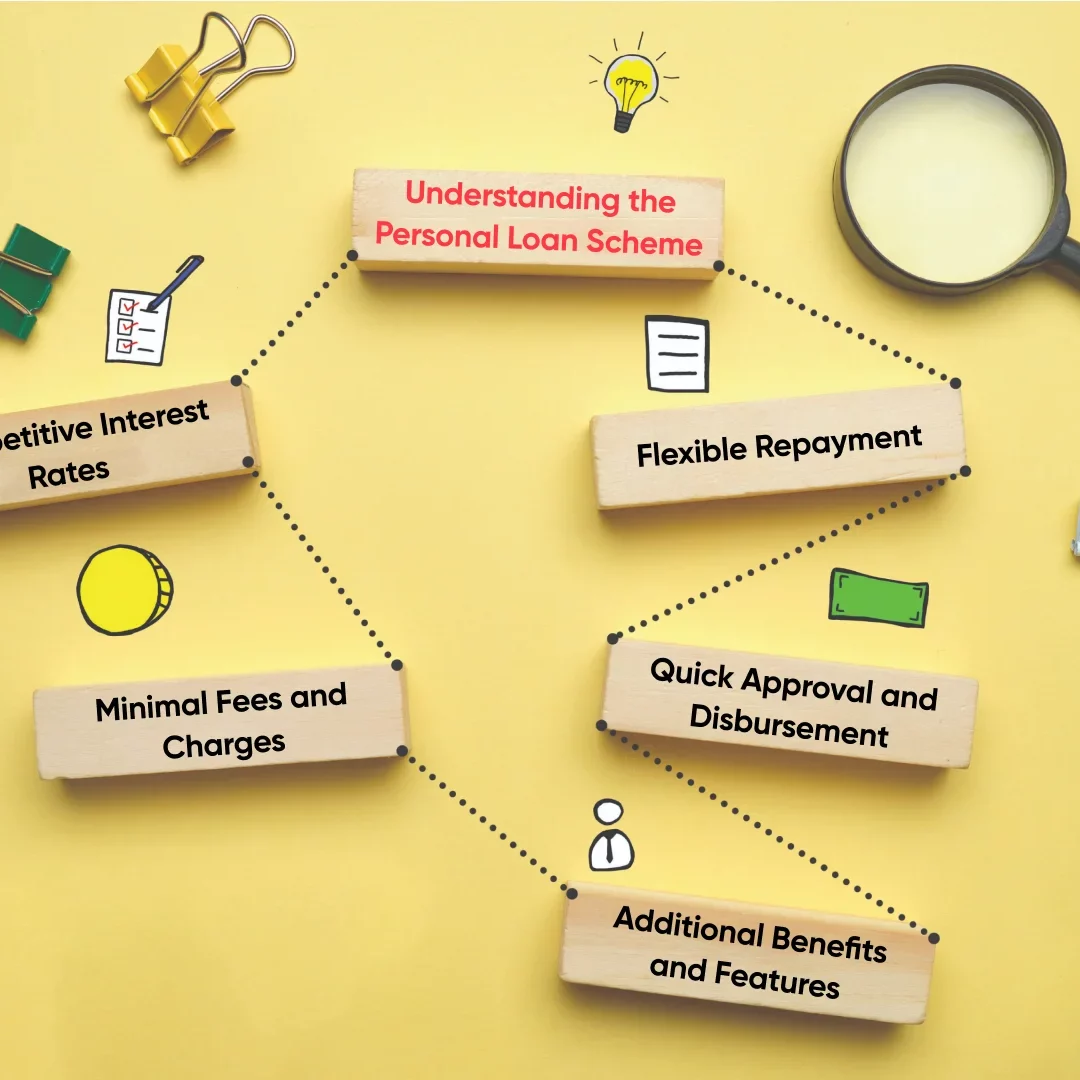
Understanding Personal Loans: Benefits and Application Tips
Personal loans have become an essential financial tool for many individuals looking to manage expenses, consolidate debts, or finance significant purchases. Unlike specialised loans such as mortgages or car loans, a personal loan offers greater flexibility, allowing borrowers to use the funds for a variety of purposes. Understanding the key benefits and application processes can help consumers make informed decisions and secure favourable loacaan terms.
What Is a Personal Loan?
A personal loan is an unsecured loan provided by financial institutions that you repay over a set period with fixed monthly instalments. Since personal loans typically do not require collateral, lenders assess creditworthiness, income, and debt levels carefully before approval. The loan amount, interest rates, and repayment terms are subject to the borrower’s financial profile and lender policies.
Common Uses of Personal Loans
Personal loans serve various purposes, making them a versatile financial product. Common uses include home renovations, medical expenses, holiday costs, debt consolidation, and emergency expenses. Borrowers appreciate the ability to access funds quickly with transparent repayment plans. Flexibility in usage distinguishes personal loans from purpose-specific products.
Debt Consolidation
One of the primary advantages of personal loans is the option to consolidate high-interest debts, such as credit card balances, into a single loan with a potentially lower interest rate. This approach simplifies repayments by combining multiple debts into one and may reduce the overall interest cost. Before opting for debt consolidation, it is important to compare current debts’ interest rates against personal loan rates to ensure savings.
Home Improvements
Funding home improvement projects is another frequent reason for taking out a personal loan. Renovations and repairs can significantly increase property value and improve living standards. Unlike using savings, a personal loan enables immediate access to necessary funds, allowing work to commence without delay.
Advantages of Personal Loans
Personal loans offer several benefits that make them appealing compared to other borrowing options. Understanding these advantages helps prospective borrowers evaluate whether a personal loan suits their financial needs.
Fixed Interest Rates
Many personal loans feature fixed interest rates, meaning borrowers pay the same amount of interest throughout the loan tenure. This predictability facilitates budgeting and financial planning. However, it is advisable to review the loan contract carefully as some lenders may offer variable rates.
Fixed Repayment Schedule
Personal loans typically come with a set repayment period, often ranging from one to seven years. Fixed monthly repayments ensure that borrowers can anticipate their future financial commitments. Regular repayments can also help improve credit scores when managed responsibly.
No Collateral Required
Being unsecured, personal loans do not require borrowers to pledge assets such as property or vehicles. This reduces the risk of losing valuable possessions in case of default. Nevertheless, failing to meet repayment obligations can still negatively impact credit ratings and debt recovery actions may be initiated.
Fast Approval and Disbursement
The application process for personal loans is generally straightforward, with pre-approval available online or via mobile apps. Funds are often disbursed within a few days after approval, making personal loans ideal for urgent financial needs.
How to Apply for a Personal Loan
Applying for a personal loan involves several steps designed to verify eligibility and assess financial capacity. Understanding this process can increase the likelihood of approval and enable applicants to secure better loan terms.
Assess Your Financial Situation
Before applying, prospective borrowers should assess their current financial situation. This includes reviewing income, expenses, existing debts, and credit reports. A good credit score enhances chances of obtaining favourable interest rates and borrowing amounts.
Compare Loan Offers
Shopping around for personal loans is essential. Different lenders provide variable interest rates, fees, loan terms, and application requirements. Comparing offers online or consulting financial advisers can help identify the best deal.
Prepare Required Documents
Typical documentation for personal loan applications includes proof of identity, income verification, employment details, and sometimes proof of residence. Having these documents organised expedites the application process.
Submit the Application
Applications may be submitted in person, online, or via telephone. Online applications are increasingly popular due to their convenience and speed. Complete the application form accurately, providing all requested information.
Understand Loan Terms
It is crucial to read and understand all loan terms and conditions before signing the agreement. This includes interest rates, repayment schedule, fees for late payments, early repayment penalties, and other relevant details.
Plan for Repayments
Ensure that monthly repayments fit comfortably within the budget. Setting up automated payments can help avoid missed instalments and maintain a positive credit history.
Risks and Considerations
While personal loans offer numerous advantages, borrowers should be aware of potential risks. Over-borrowing or using loans for non-essential expenses may lead to financial strain. Additionally, failing to repay on time can result in increased debt through penalty fees and interest charges, as well as damage to credit scores.
Borrowers should only apply for personal loans they can realistically afford to repay. Seeking financial advice may assist in prudent decision-making regarding borrowing needs and loan suitability.
The Role of Credit Scores
Credit scores play a significant role in determining eligibility for a personal loan and the interest rate offered. A higher credit score reflects responsible borrowing history and increases lender confidence. Borrowers with lower credit scores may still access loans but often at higher rates or with stricter conditions.
Conclusion
A personal loan can provide a practical financial solution for various needs, from consolidating debts to funding important expenses. Understanding the benefits, application requirements, and potential risks is essential for making informed borrowing decisions. Thorough preparation, research, and budgeting contribute to a successful loan experience and help avoid financial difficulties.
Individuals considering a personal loan should evaluate their personal circumstances, compare available products, and choose a loan that aligns with their capacity to repay. With informed decisions, personal loans can offer valuable support in managing finances responsibly and effectively.