
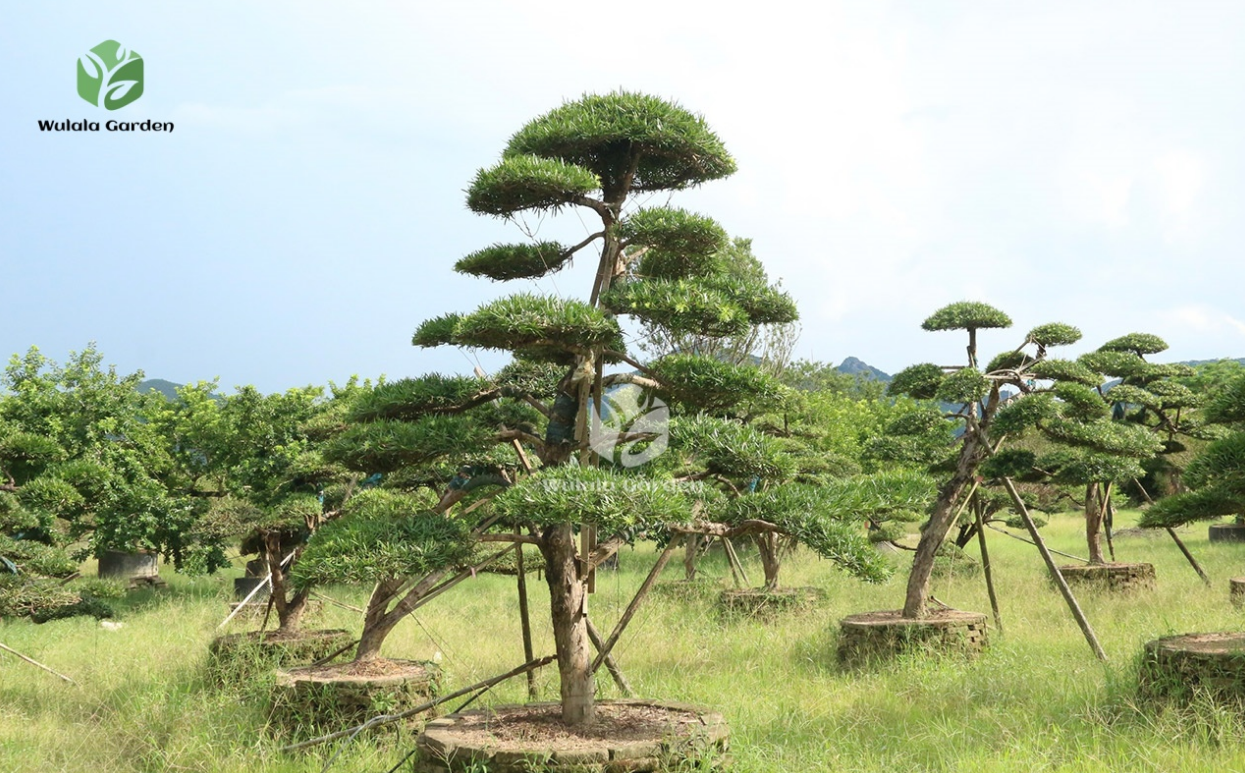
Podocarpus Buddhist Pine: Benefits, Planting, and Maintenance Tips
If you’re searching for a versatile evergreen that combines beauty, durability, and low maintenance, podocarpus buddhist pine is an excellent choice. Despite its common name, this plant is not a true pine but an elegant evergreen prized for its dense foliage, graceful appearance, and adaptability. Whether used as a privacy hedge, ornamental tree, or foundation planting, it offers year-round greenery that enhances both residential and commercial landscapes. With proper planting and care, this attractive evergreen can thrive for decades, making it a valuable addition to almost any garden.
What Is Podocarpus Buddhist Pine?
Podocarpus Buddhist Pine belongs to the Podocarpaceae family and is native to parts of Asia. It is admired for its narrow, glossy green leaves and naturally upright growth habit. Depending on the variety and growing conditions, it can be maintained as a compact shrub or allowed to mature into a medium-sized tree.
Its refined appearance makes it popular in formal gardens, Japanese-inspired landscapes, tropical settings, and modern outdoor designs. Landscape professionals also appreciate its ability to tolerate regular pruning, allowing it to be shaped into hedges, screens, topiaries, or elegant specimen plants.
Benefits of Growing This Evergreen
One of the primary reasons homeowners and landscapers choose this evergreen is its versatility. It performs well in a variety of landscape designs while requiring relatively little maintenance once established.
Some of its key benefits include:
- Attractive evergreen foliage throughout the year
- Excellent privacy screening and natural hedging
- Adaptable to multiple soil types
- Moderate drought tolerance after establishment
- Long lifespan with proper care
- Suitable for residential and commercial properties
- Responds well to pruning and shaping
- Adds structure and elegance to any landscape
Its consistent green color provides visual interest during every season, making it an ideal alternative to deciduous plants that lose their leaves during colder months.
Ideal Growing Conditions
Providing the right environment helps ensure healthy growth and vibrant foliage.
Sunlight
This evergreen performs best in full sun to partial shade. While it tolerates some shade, locations receiving at least six hours of sunlight each day generally encourage stronger growth and denser foliage.
Soil Requirements
Well-drained soil is essential for healthy root development. Sandy, loamy, and slightly clay-based soils all work well, provided they do not remain waterlogged for extended periods.
Adding compost or organic matter before planting can improve soil fertility and drainage, especially in heavier soils.
Watering
Newly planted trees require consistent watering while their root systems become established. Once mature, they become relatively drought tolerant and typically need supplemental watering only during extended dry periods.
Avoid overwatering, as excessive moisture may contribute to root problems.
How to Plant Successfully
Proper planting creates the foundation for years of healthy growth.
Choose a planting site with enough room for the plant’s mature size. Dig a hole approximately twice as wide as the root ball while keeping the depth equal to the container height. Carefully position the plant, ensuring the top of the root ball remains level with the surrounding soil.
Backfill with native soil, gently firm it into place, and water thoroughly to eliminate air pockets around the roots.
Applying a two- to three-inch layer of mulch around the planting area helps conserve moisture, suppress weeds, and regulate soil temperature. Leave several inches of space between the mulch and trunk to prevent moisture buildup.
Fertilizing for Healthy Growth
Although relatively low maintenance, periodic fertilization encourages vigorous growth and rich green foliage.
Apply a balanced slow-release fertilizer during early spring before new growth begins. Young plants often benefit from annual feeding, while mature specimens generally require less frequent fertilization depending on soil quality.
Organic compost can also improve long-term soil health by gradually releasing nutrients.
Pruning and Shaping
One of the greatest advantages of this evergreen is its excellent response to pruning.
Routine trimming helps maintain:
- Dense foliage
- Desired height and width
- Formal hedge appearance
- Attractive natural shape
- Improved air circulation
Light pruning may be performed throughout the growing season, while more extensive shaping is usually best completed in late winter or early spring before vigorous new growth begins.
Avoid removing excessive foliage at one time, as gradual shaping produces healthier and more natural-looking results.
Common Landscape Uses
This adaptable evergreen fits beautifully into many outdoor designs.
Popular applications include:
Privacy Screens
Dense foliage creates an attractive living barrier that offers privacy while reducing noise and wind.
Formal Hedges
Its upright growth and excellent pruning tolerance make it one of the most popular hedge plants for homes, businesses, and public landscapes.
Accent Trees
Larger specimens serve as elegant focal points in front yards, courtyards, or entryways.
Foundation Plantings
Its clean appearance complements homes, offices, and commercial buildings without overwhelming nearby architecture.
Container Gardens
Younger plants also grow well in large decorative containers, making them suitable for patios, balconies, and outdoor entertaining spaces.
Pest and Disease Resistance
This evergreen is generally considered hardy and resistant to many common landscape problems.
Occasional issues may include:
- Scale insects
- Spider mites
- Root rot caused by poor drainage
- Minor leaf spotting under overly humid conditions
Regular inspections allow early detection of any problems, making treatment easier if necessary.
Proper watering practices, adequate spacing, and good air circulation significantly reduce the likelihood of disease.
Seasonal Care Tips
Keeping the plant healthy throughout the year requires only basic maintenance.
Spring
- Apply fertilizer.
- Refresh mulch.
- Inspect for winter damage.
Summer
- Water during prolonged dry weather.
- Monitor for insect activity.
- Lightly prune if needed.
Autumn
- Remove dead branches.
- Clean fallen debris around the base.
- Reduce watering as temperatures cool.
Winter
- Protect young plants from severe frost in colder regions.
- Avoid heavy pruning during freezing weather.
Following these seasonal care practices helps maintain healthy growth year after year.
Why Homeowners Love This Evergreen
Gardeners appreciate this plant because it offers the appearance of a refined ornamental without demanding constant attention. Its adaptability allows it to perform equally well in formal landscapes, tropical gardens, minimalist designs, and traditional residential settings.
Whether planted individually or as part of a larger landscape plan, it provides dependable color, attractive structure, and long-lasting beauty.
Conclusion
Podocarpus Buddhist Pine remains one of the most reliable evergreen choices for homeowners and landscape professionals seeking year-round greenery with minimal maintenance. Its elegant foliage, flexible growth habit, and adaptability make it suitable for hedges, privacy screens, specimen plantings, and foundation landscapes alike. By selecting a suitable planting location, providing consistent care during establishment, and performing occasional pruning, you can enjoy a healthy, attractive evergreen that enhances your outdoor space for many years. Whether you’re designing a new landscape or upgrading an existing garden, this timeless plant offers lasting beauty, practical benefits, and exceptional value.