
Why Homeowners Should Take Wood Damage Seriously Before It Spreads
Owning a home comes with many responsibilities, but some problems are easier to ignore than others. A small crack, a soft wooden board, or a damp corner may not seem urgent at first. However, when moisture begins to affect the wood inside or outside a property, the issue can become more serious over time.
One of the most common problems in damp areas is dry rot. Despite the name, dry rot is usually connected to moisture. It affects wood when fungi begin breaking down the structure, making it weaker, brittle, and less reliable. If left untreated, dry rot can damage decks, siding, framing, crawl spaces, windows, doors, and other wooden areas of a home.
For homeowners, the most important thing is to notice the warning signs early and act before the damage spreads.
Why Dry Rot Is a Serious Home Problem
Dry rot is not just a cosmetic issue. It can affect the strength of the wood and, in more advanced cases, the structure of a home. What begins as a small patch of damaged wood can spread into surrounding areas if the source of moisture is not fixed.
This is especially concerning in places with frequent rain, high humidity, or poor ventilation. Moisture can enter through leaks, damaged siding, old windows, clogged gutters, or poorly protected decks. Once wood stays damp for too long, it becomes easier for rot to develop.
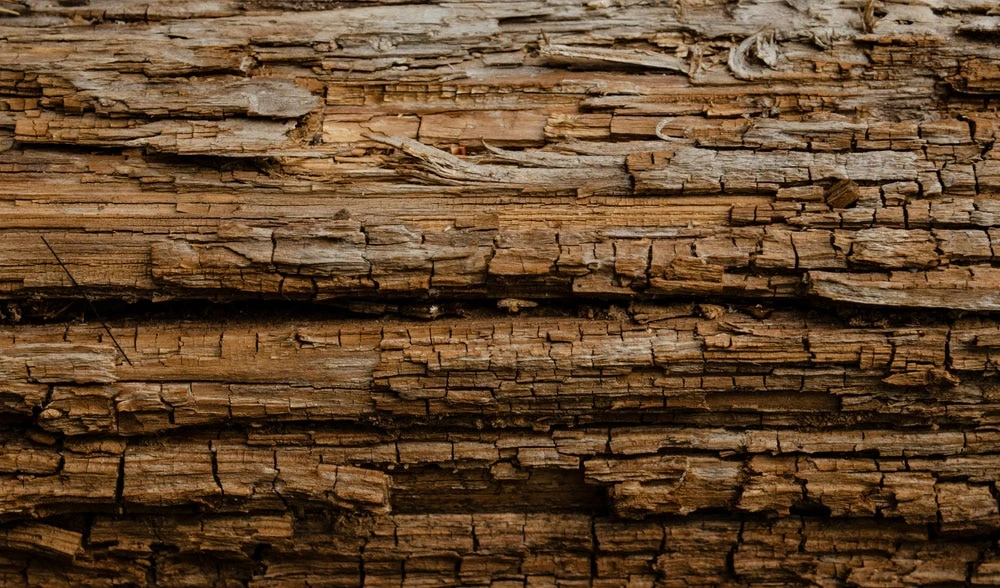
Homeowners may first notice soft wood, discoloration, cracking, a musty smell, or boards that crumble when touched. These signs should not be ignored, especially if they appear around areas exposed to weather.
Common Areas Where Rot Can Appear
Dry rot can show up in many parts of a home, but some areas are more vulnerable than others. Exterior wood is often at higher risk because it faces rain, temperature changes, and daily exposure.
Decks are a common place for rot to appear. If water collects around boards, railings, stairs, or support posts, the wood can weaken over time. Siding can also develop problems if moisture gets behind the surface. Window and door frames are another common area because water can enter through gaps, poor sealing, or aging materials.
Crawl spaces may also be affected, especially if ventilation is poor. Since these areas are not always checked regularly, damage can continue for a long time before homeowners notice it.
Why Early Repairs Matter
Many homeowners delay repairs because the problem seems small. Unfortunately, dry rot usually becomes more expensive the longer it is left untreated. A minor repair may only involve removing a small damaged section and treating the area. A larger problem may require replacing major wooden components, repairing leaks, improving ventilation, or restoring structural support.
Early repairs can help protect the home, reduce future costs, and prevent safety concerns. They can also stop the damage from spreading into nearby materials. In many cases, fixing the moisture source is just as important as repairing the damaged wood.
For homeowners who notice signs of decay, scheduling professional Seattle dry rot repair can help identify the affected areas, remove damaged wood, treat the problem, and prevent future moisture-related issues.
What a Professional Inspection Can Reveal
A professional inspection can make a big difference because dry rot is not always visible on the surface. Sometimes the outside of the wood looks acceptable, while the inside is already weakened. Professionals know where to check and how to identify the extent of the problem.
An inspection may reveal hidden leaks, poor drainage, ventilation issues, damaged siding, weak deck boards, or rot around windows and doors. Once the source of the problem is identified, homeowners can make better decisions about repairs.
This is important because simply covering damaged wood or painting over it will not solve the issue. If the moisture source remains, the rot can return.
Repair Is Only Part of the Solution
Dry rot repair is not only about replacing damaged wood. A good repair process should also focus on prevention. This may include improving ventilation, sealing exposed areas, repairing leaks, using treated materials, or applying protective treatments.
For example, if a deck has rotten boards because water is collecting in one area, replacing the boards may not be enough. The drainage issue also needs attention. If siding is damaged because water is entering behind it, the installation or sealing may need to be corrected.
The goal is not only to make the home look better, but also to protect it from future damage.
Home Maintenance Helps Prevent Bigger Problems
Regular maintenance is one of the best ways to reduce the risk of dry rot. Homeowners should check exterior wood, decks, siding, windows, doors, and crawl spaces at least a few times a year. It is especially helpful to inspect the home after heavy rain or during seasonal changes.
Gutters should be cleaned so water can move away from the property. Leaks should be repaired quickly. Decks should be checked for soft spots, loose boards, and moisture buildup. Windows and doors should be sealed properly. Crawl spaces should have enough ventilation to prevent damp conditions.
Small maintenance habits can protect the home and help homeowners avoid larger repairs later.
Final Thoughts
Dry rot can begin quietly, but it should never be ignored. What looks like a small patch of damaged wood may point to a deeper moisture problem. When homeowners act early, they can protect their property, reduce repair costs, and keep their home safer.
A strong home is not only built with quality materials; it is also protected through regular care. By watching for signs of wood damage, fixing moisture issues, and calling professionals when needed, homeowners