
Attack Surface Management For Teams Without A Security Department
Attack surface management sounds like something that belongs on an enterprise security team’s roadmap, not on the to-do list of a five-person startup. A large share of small and mid-sized businesses run without any dedicated cybersecurity staff member at all. Attack surface management applies to those companies just as much as it does to a Fortune 500 firm, whether or not anyone on staff has security in their job title.
What This Means Without a Specialist on Staff
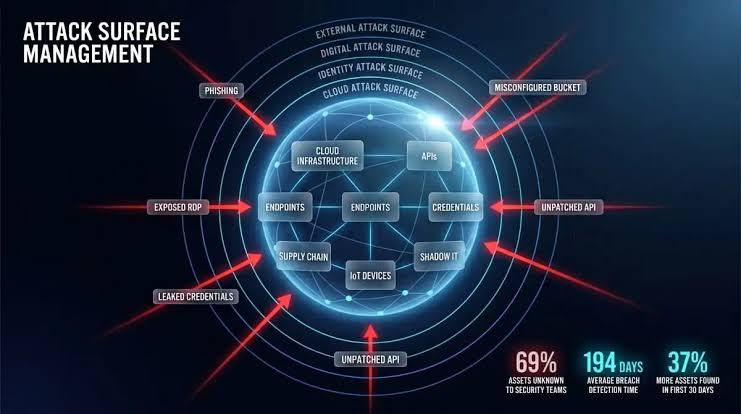
Strip away the terminology, and attack surface management is really just an accurate answer to one question. This is all about what is reachable from the internet right now. Every domain, every subdomain, every open API, and every forgotten staging server counts, regardless of whether a formal security process exists to track them. Most companies can name their main website without much thought. Far fewer can name every subdomain a marketing intern spun up two years ago for a campaign that ended just as quickly.
Where This Responsibility Usually Lands
In companies without a security department, this work does not disappear because nobody owns the title. It lands on whoever is closest to the infrastructure, often a founding engineer, a DevOps lead, or occasionally the founder themselves. That person squeezes it in between shipping features and everything else already on their plate. That arrangement works reasonably well until the list of things running in production grows faster than anyone can track by memory.
A Few Starting Points That Do Not Require a Hire
A team without dedicated security staff can still make real progress with a handful of habits, none of which require a background in security to carry out.
- List every domain and subdomain the company actually owns, including ones from old marketing campaigns or abandoned products.
- Check which of those are still receiving traffic and which should have been shut down months ago.
- Treat any server holding customer data as a priority, regardless of how minor its original purpose seemed.
- Revisit the list after every major deployment, since new assets tend to appear quietly.
None of this demands specialized tooling to start. A shared document and thirty minutes on a Friday afternoon can surface more than most teams expect.
A Different Way to Get Coverage
Teams in this position often skip hiring a security consultant altogether and turn to a platform that runs continuously in the background instead. A one-time audit only reflects what was true on the day it happened, and that snapshot ages in no time. TopScan, a continuous external scanning platform, fits that pattern well, since nobody in-house needs to configure or interpret the scanning engine, only act on what it finds.
Making Attack Surface Management Realistic
Attack surface management does not require a dedicated department to be worth doing well. It requires an honest list of what is actually running and a habit of checking that list regularly. Most teams that get this right did not start with more resources than everyone else. They just started earlier.