
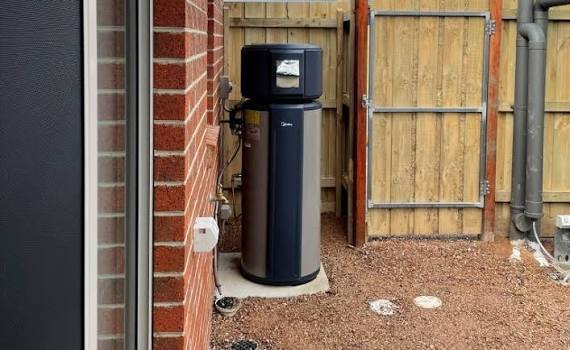
Efficient Heating Solutions with Hot Water Heat Pumps
In recent years, the demand for environmentally friendly and cost-effective heating solutions has grown significantly. One technology gaining traction in both residential and commercial markets is the hot water heat pump. These systems provide a sustainable alternative to traditional water heating methods, offering increased efficiency and reduced carbon emissions.
Understanding Hot Water Heat Pumps
A hot water heat pump is a device that extracts heat from the air, ground, or water source to heat water for domestic or industrial use. Unlike conventional electric or gas water heaters, heat pumps use a refrigeration cycle to transfer heat rather than generate it directly. This results in considerably higher energy efficiency, as the system can produce several units of heat for every unit of electricity consumed.
Principles of Operation
The basic operation of a hot water heat pump involves a refrigerant circulating through an evaporator, compressor, condenser, and expansion valve. The evaporator absorbs heat from the surrounding environment, which is then compressed to a higher temperature in the compressor. The heated refrigerant flows through the condenser, transferring heat to the water stored in a tank. Finally, the refrigerant expands and cools before returning to the evaporator to repeat the cycle.
Energy Efficiency and Environmental Impact
One of the greatest advantages of hot water heat pumps is their energy efficiency. Compared to conventional electric water heaters, heat pumps often achieve a coefficient of performance (COP) of 3 to 4, meaning they deliver three to four times the amount of heat energy for each unit of electricity used. This efficiency reduces overall energy consumption and lowers operating costs.
From an environmental perspective, the use of heat pumps contributes to a reduction in greenhouse gas emissions. As these systems rely on renewable ambient heat rather than combustion processes, they decrease dependency on fossil fuels and aid in achieving sustainability targets for homes and businesses alike.
Applications of Hot Water Heat Pumps
Hot water heat pumps are versatile and can be employed in a variety of settings. Residential users appreciate the potential for reducing energy bills while maintaining a steady supply of hot water for daily needs, including bathing, cooking, and cleaning. In commercial environments, they serve well in hotels, hospitals, and gyms where large volumes of hot water are required.
Industrial applications also benefit from hot water heat pumps, particularly in sectors that require process heat such as food and beverage production, textile manufacturing, and chemical processing. These systems can be tailored to meet specific temperature requirements and operational demands.
Installation Considerations
When integrating hot water heat pumps into a property, several factors must be taken into account to ensure optimal performance. The installation site should provide adequate airflow or access to the chosen heat source. Proper sizing of the unit is critical to match the hot water demand without excessive energy use.
Additionally, insulation of hot water storage tanks and piping can minimise heat loss, improving overall efficiency. Professional assessment and installation are recommended to comply with building codes and guarantee system reliability.
Cost Implications
Although the initial capital expenditure for hot water heat pumps might exceed that of traditional heaters, the long-term savings can be substantial. Reduced electricity bills and potential government incentives or rebates often offset the upfront investment over the system’s lifespan, which typically ranges from 10 to 15 years.
Moreover, the maintenance requirements of heat pumps are generally low, contributing to cost-effectiveness. Routine inspections ensure the system operates at peak efficiency without unexpected downtime.
Comparison with Alternative Heating Methods
Heat pumps differ significantly from conventional combustion-based water heaters, such as gas or electric immersion heaters. Gas water heaters release carbon dioxide and other pollutants, while electric immersion heaters are less efficient and can incur higher running costs.
Solar water heating systems represent another alternative. These can be highly sustainable but often depend on climate and weather conditions, requiring supplementary systems during periods of low solar gain. Hot water heat pumps offer more consistent performance regardless of weather, making them a reliable choice across various regions.
Technological Advancements
Recent developments in heat pump technology have enhanced their efficiency and adaptability. Variable-speed compressors, advanced refrigerants with lower global warming potential, and intelligent control systems allow hot water heat pumps to adjust operation based on demand and environmental conditions, further optimising energy use.
Integration with smart home systems enables remote monitoring and control, providing users with insights into energy consumption and system performance.
Regulatory and Policy Support
Governments worldwide are encouraging the adoption of energy-efficient heating technologies through regulations and incentives. Building standards increasingly mandate or recommend low-carbon heating solutions, which bodes well for the proliferation of hot water heat pumps.
Financial support schemes, such as grants or tax credits, may be available to assist with installation costs, making these systems more accessible to a broader audience.
Challenges and Limitations
Despite their advantages, hot water heat pumps have some limitations. Their performance can be affected by extremely cold ambient temperatures, potentially necessitating backup heating systems. Noise levels, though typically low, can be a concern depending on placement and unit design.
Additionally, space requirements for the outdoor unit and hot water storage need to be factored into property layouts, which may pose constraints in densely built environments.
Future Prospects
The trajectory for hot water heat pumps appears robust, supported by technological innovation and increased environmental awareness. As society moves towards decarbonisation and energy efficiency, these systems are poised to become a standard solution for water heating needs.
Ongoing research and development aim to overcome current challenges, reduce costs, and improve integration with renewable energy sources such as solar photovoltaics and wind power.
Conclusionac
Hot water heat pumps represent a significant advancement in efficient and sustainable heating technologies. By leveraging renewable energy sources and operating with high efficiency, they offer a practical solution for reducing energy consumption and environmental impact.
Whether in residential, commercial, or industrial contexts, investing in a hot water heat pump can contribute to significant financial savings and support broader efforts towards achieving environmental goals.