
What Makes a New Place Feel Like Home During Retirement?
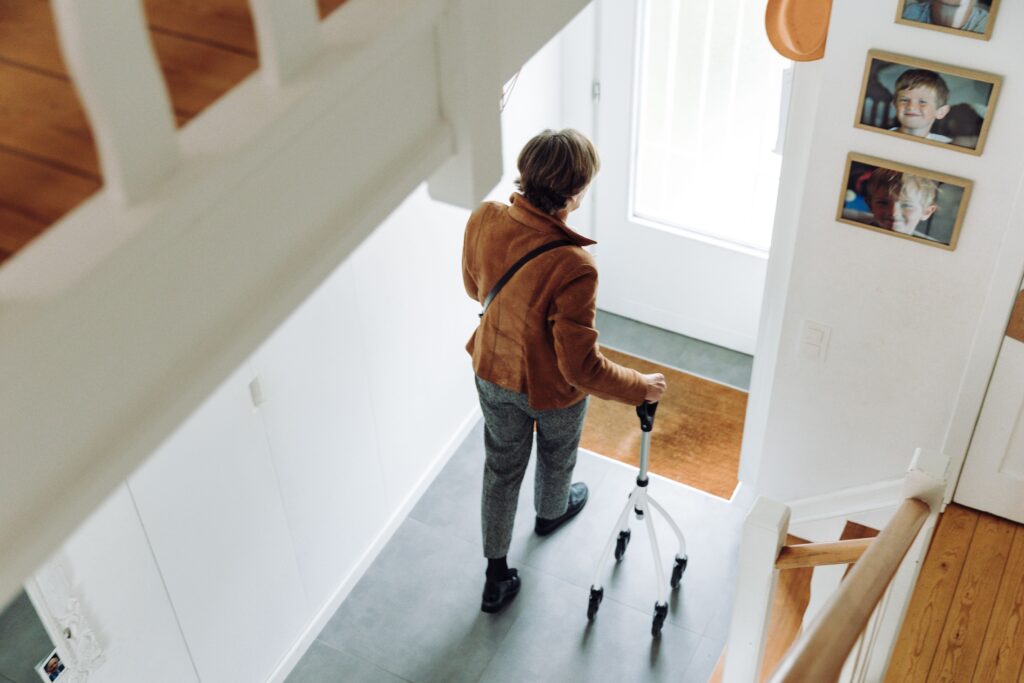
Moving to a new community during retirement is a significant life transition. While a new environment may bring opportunities for fresh experiences and new friendships, it is natural for many older adults to wonder how long it will take to feel comfortable in unfamiliar surroundings. Feeling at home often develops gradually through meaningful experiences, personal connections, and the ability to maintain familiar routines.
A welcoming community can make a positive difference during this adjustment period. When residents are encouraged to make choices, pursue their interests, and build relationships, they often develop a stronger sense of belonging. Over time, these experiences help transform an unfamiliar setting into a place filled with comfort and familiarity.
Building Relationships With Others
Strong social connections are often among the most important factors in helping a new place feel like home. Conversations with neighbors, participation in community events, and opportunities to meet new people can help residents establish meaningful relationships over time. These connections create a sense of belonging and help individuals feel welcomed within their community.
Developing friendships does not happen overnight. However, regular interaction often creates natural opportunities for people to learn about one another and discover shared interests. As relationships grow, so does the feeling of comfort and connection within the community.
Finding Opportunities for Meaningful Participation
Many older adults feel most at home when they are able to spend their time in meaningful ways. Participating in programs, educational opportunities, creative pursuits, and social events can help residents become involved in community life while exploring new interests. Remaining connected to enjoyable experiences often helps strengthen feelings of satisfaction and purpose.
Meaningful participation can take many different forms. Some individuals enjoy group discussions and creative projects, while others prefer quieter activities that allow for reflection and personal fulfillment. Communities that offer a variety of options help residents choose experiences that align with their preferences.
The Importance of Choice and Independence
Feeling at home is often closely linked to having control over daily life. The ability to make personal decisions about schedules, interests, and participation helps residents maintain a sense of autonomy. Communities that respect individual preferences encourage residents to shape their days in ways that feel meaningful and comfortable.
Choice also supports confidence during periods of transition. When individuals are empowered to make decisions about their environment and routines, they often feel more secure and connected to their surroundings. Respecting personal preferences reinforces dignity and encourages a stronger sense of ownership over daily experiences.
Supportive Services That Promote Comfort
Supportive services can help simplify daily tasks and allow residents to focus on the experiences they enjoy most. Assistance with certain responsibilities may reduce stress while creating more time for hobbies, social connections, and relaxation. The goal is to provide support in a way that respects each person’s needs, preferences, and level of involvement.
Communities offering personal care in Latrobe, PA often provide Personal Care services that support comfort, convenience, and personal choice. These services can help residents focus on meaningful experiences while continuing to participate in daily life according to their own preferences and priorities.
Creating Familiarity Through Daily Experiences
A sense of home often grows from everyday experiences rather than major events. Friendly greetings from neighbors, familiar faces at meals, participation in regular programs, and enjoyable conversations can all contribute to feelings of comfort. These daily moments gradually build familiarity and help create positive associations with a new environment.
As residents become more familiar with their surroundings, they often gain confidence in navigating their routines and participating in community life. This growing familiarity allows individuals to feel more relaxed, comfortable, and engaged in their daily experiences.
Understanding That Adjustment Takes Time
Every person’s transition process is different. Some individuals feel comfortable quickly, while others need additional time to become familiar with their new surroundings and establish relationships. There is no right or wrong timeline for feeling at home.
Communities that provide a welcoming atmosphere and encourage meaningful connections help residents move through this transition at their own pace. Patience, support, and opportunities for engagement can make the adjustment process more positive and rewarding.
Conclusion
Feeling at home during retirement often comes from a combination of familiar routines, meaningful relationships, personal choice, and daily experiences that bring comfort and fulfillment. While moving to a new community is a significant transition, creating a sense of belonging happens through small moments that build over time.
A welcoming community that respects individuality and encourages connection can help residents feel valued and supported. Through personal traditions, new friendships, and opportunities for meaningful participation, a new place can gradually become a comfortable and rewarding part of everyday life.