
Home Battery Backup Tips for Storm Season Preparedness
Storm season causes power outages, harsh weather, and unexpected electrical disturbances that disrupt everyday life. A solid home battery backup system keeps lights, phones, fridges, and other essentials running during crises. Batteries that are prepared before storms are safer, more reliable, and less stressful during protracted outages. Before severe weather, homeowners should check batteries, maintain equipment, and make emergency energy plans. Equipment damage from floods, overheating, and electrical overloads may be avoided with proper preparedness. Understanding storm safety helps homes improve battery efficiency and preserve backup power in bad weather.
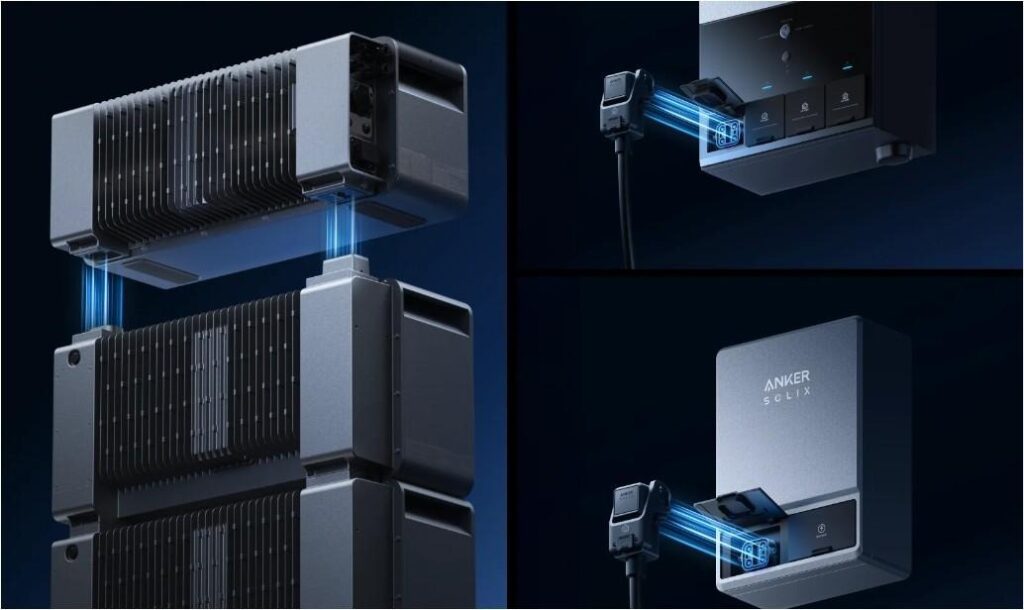
How Can You Prepare Your Home Battery Backup Before Storm Season?
Inspecting Battery Health and Backup System Performance
Inspecting battery health before storm season allows homeowners to discover possible issues and ensure dependable backup performance during crises. To guarantee optimal functioning, homeowners should frequently monitor battery charge levels, inverter performance, wire connections, and system alarms. Many current battery systems feature monitoring software that provides system performance and maintenance alerts in real time. Signs such as decreased runtime, overheating, strange sounds, or charging problems may signal the need for a professional examination or battery replacement. Testing the backup system before severe weather hits ensures that critical equipment will function properly during outages. Regular checks enhance safety, decrease unexpected failures, and considerably increase the long-term durability of battery systems.
Charging, Maintenance, and Emergency Readiness Checklist
Completing a charging and maintenance checklist may help homeowners successfully prepare their battery backup systems for storm-related power outages. Before severe weather hits, homeowners should completely charge their batteries and ensure that the charging equipment is working properly. Cleaning battery regions, inspecting ventilation channels, and tightening loose electrical connections all enhance system safety and performance. Before storms hit, families should replenish their emergency supplies, which include flashlights, phone chargers, extension cables, and appliance instructions. Reviewing battery warranties and emergency shutdown protocols might assist in avoiding misunderstandings during stressful circumstances. Routine maintenance lowers equipment failures, increases energy efficiency, and ensures that backup systems are ready to support critical home appliances during lengthy power outages and severe weather.
Identifying Essential Appliances and Power Priorities
Identifying vital equipment before hurricane season allows households to better manage conserved energy during outages. Refrigerators, medical gadgets, lights, internet routers, and communication equipment are often given top priority since they promote health, food safety, and emergency communication. Homeowners should evaluate the power consumption of this equipment and decide how long they will require backup energy during severe weather conditions. Dryers, ovens, and big air conditioners may rapidly deplete battery capacity and should be given lower priority during an emergency. Creating a clear appliance priority list assists families in avoiding excessive energy waste, extending battery life, and ensuring consistent power for vital home requirements during storms.
What Safety Measures Should You Follow During Storms?
Protecting Battery Systems from Water, Heat, and Damage
Protecting battery backup for the home systems from water, heat, and physical damage is essential during severe storms and flooding conditions. Homeowners should put battery equipment in a dry, high, and well-protected area away from rain and standing water. Excessive heat may also degrade battery efficiency and shorten the overall system lifetime. Maintaining sufficient airflow around battery systems prevents overheating and enhances operational safety throughout long periods of use. Families should check the surrounding environment for loose debris or things that might harm electrical equipment during heavy winds. Preventive safety measures assist in avoiding equipment failure, increase emergency dependability, and efficiently safeguard domestic energy systems during severe storms.
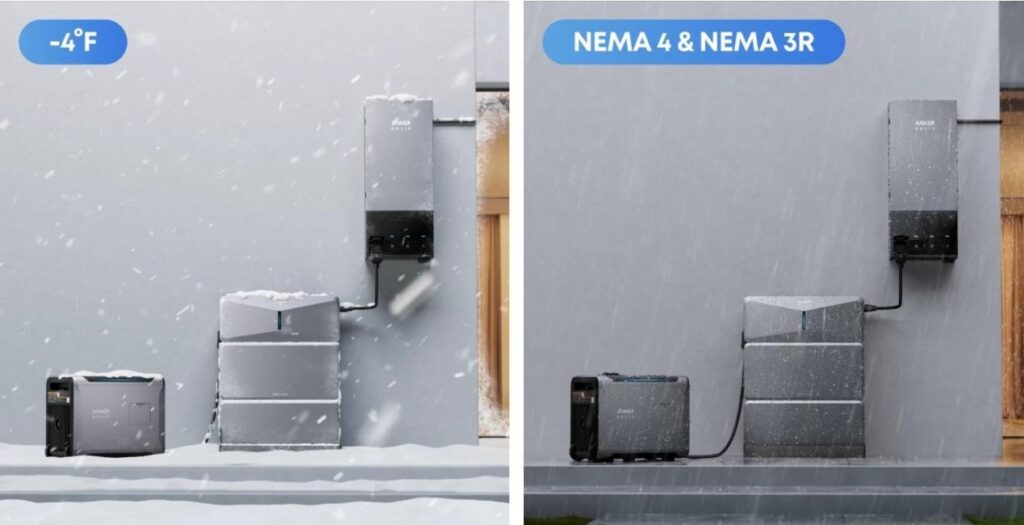
Managing Energy Usage During Extended Power Outages
Managing energy use judiciously during lengthy outages allows homeowners to optimize available battery duration while maintaining key household activities. Families should only use the appliances that they need and avoid using numerous high-power gadgets at the same time. Refrigerators, lights, communication equipment, and medical gadgets are often given priority since they promote safety and emergency readiness. Turning off superfluous gadgets and minimizing lighting consumption may considerably preserve stored battery energy. To minimize sudden power outages, homeowners should check battery charge levels on a regular basis using system displays or mobile apps. Efficient energy management enhances backup performance, minimizes battery strain, and assists households in constantly maintaining dependable electrical assistance during long-term storm-related outages and emergencies.
Safe Operation, Ventilation, and Emergency Shutdown Tips
Homeowners must carefully follow emergency shutdown and ventilation protocols to ensure safe battery operation during storms. Maintaining open airflow around equipment helps avoid overheating and lowers safety hazards since battery systems produce heat throughout cycles of charging and discharging. Homeowners should refrain from storing combustible objects close to battery installations or obstructing ventilation holes. Families should immediately follow the manufacturer shutdown instructions and get help from expert specialists if floods, electrical damage, strange odors, or smoke develop. Homeowners may better grasp warning indicators and shutdown processes by reading system manuals prior to crises. Safe operating procedures increase battery dependability, lower the danger of accidents, and shield homes from inclement weather and unplanned power outages.
Conclusion
Preparing a house battery backup system before hurricane season helps homeowners preserve power and increase emergency safety. Regular inspections, battery charging, and preventative maintenance decrease outage equipment failure. Identifying vital equipment and minimizing energy use increases backup runtime. Residential battery systems should be protected from water, heat, and physical damage during storms with sufficient ventilation and safety. Clear emergency preparations boost home readiness and decrease stress during outages. A reliable battery backup system protects vital appliances and keeps families safe, comfortable, and connected during storms.