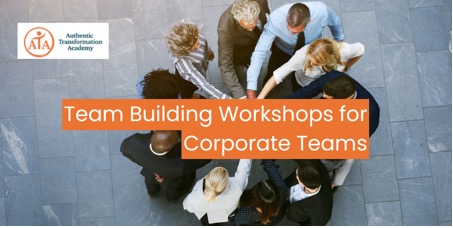
Team Building Workshops for Corporate Teams
Your team shows up every day, sits in the same meetings, and hits the same deadlines. But when was the last time they genuinely worked as a unit? If that question gives you pause, it might be time to rethink how your team connects.
Fortunately, a team-building workshop in Singapore helps bridge that gap by creating space for employees to collaborate and communicate beyond their usual roles. At Authentic Transformation Academy (ATA), we’ve spent years helping corporate teams develop collaboration skills and build employee engagement through practical sessions.
And in this guide, you’ll learn what separates a forgettable workshop from one that actually sticks, which activities foster trust, and how engagement ties back to business success. Everything here comes from what we’ve tested and seen work firsthand.
What Makes a Team Building Workshop in Singapore Worth Attending?
A team-building workshop in Singapore is worth attending when it creates real connections through meaningful activities. The problem is, too many workshops rely on forced icebreakers that don’t build anything; they just make everyone count down the minutes.
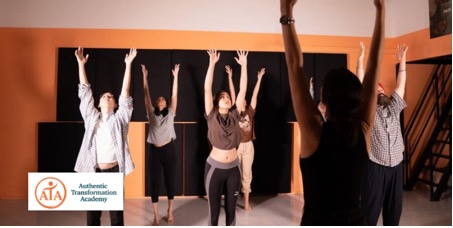
Usually, team members engage better when activities mirror actual workplace challenges, like problem-solving, collaboration or communication under pressure. That’s why good programs match activities to your organisation’s goals.
For example, if your corporate team struggles with feedback, role-play exercises help employees practice giving and receiving constructive feedback in a safe team setting.
Where you hold the workshop can also shape the experience. There are venues across Singapore, from Sentosa to Tanjong Pagar, that offer fresh environments that pull team members out of their usual routines and into a mindset ready for collaboration.
Employee Engagement Programs That Unite Your Corporate Team
When was the last time your team felt genuinely excited to work together on something? If you can’t remember, your employee engagement programs might need a reset. Most staff engagement programs fall flat because employees feel like they’re ticking boxes rather than building something meaningful.

So, let’s look at what makes these programs stick.
Group Challenges That Break Down Silos
Group challenges give team members shared objectives to work toward, and this shared understanding helps colleagues see each other beyond job titles.
We’ve run enough of these sessions to notice a pattern: the quietest employees often become the most vocal during group challenges. When employees collaborate on a task with real stakes, they start to develop strong relationships that carry into daily work.
Carrying Momentum Back to the Office
A well-run program creates momentum that lasts beyond the event itself. The energy from employee engagement programs shows up in how team members communicate during meeting agendas, handle conflict, and support each other on projects.
Without that follow-through, even the best team-building activities fade within weeks.
Activities That Build Trust and Encourage Open Communication
The best part about trust-building activities is that they create safety, and safe teams speak up more. When team members feel secure, they open up a little, whether that means admitting mistakes or asking for help.
So what does this look like in practice? It starts with activities that feel low-risk but still encourage honesty. For example:
| Activity | Best For | Time Needed |
| Blindfolded obstacle course | Building reliance on teammates | 30–45 mins |
| Two truths and a lie (work edition) | Breaking the ice in a professional setting | 15–20 mins |
| Feedback fishbowl | Practising open communication | 45–60 mins |
These activities work because they ask team members to actively listen and communicate effectively under light pressure. For instance, blindfolded obstacle courses force employees to rely on clear, honest directions from colleagues.
Over time, this kind of practice helps teams establish trust and build stronger relationships that carry into daily collaboration. When employees develop these collaboration skills in a supportive environment, they feel more confident speaking up in today’s workplace.
Active Listening and Collaboration Skills for a Global Workplace
Our studies show that poor communication costs companies an average of $12,506 per employee every year, and that’s a number few HR budgets can ignore. After that’s established, the question becomes: how do you fix it? And the answer starts with active listening.
Active listening means fully focusing on a speaker instead of planning your next reply. In practice, this looks like making eye contact, paraphrasing what the other person said, and holding back the urge to interrupt. These active listening skills take time to develop, but they pay off when team members start to communicate effectively across departments.
For corporate teams in Singapore’s global workplace, collaboration skills become even more valuable. Multicultural teams often bring different perspectives to the table, which drives innovation but also requires patience.
Simple exercises like paraphrasing a partner’s idea help employees develop strong collaboration skills and shared understanding across different working styles. When teams actively listen, they collaborate more smoothly and produce better team outcomes.
Beyond the Escape Room: Exercises for Better Project Management
Practical team exercises give your staff skills they can use the very next day at work. Escape rooms make for a fun afternoon, but let’s be honest, cracking codes under pressure doesn’t teach anyone to delegate or hit a deadline.
So, the focus shifts to exercises that mirror real work and deliver tangible benefits for your business.
- Simulation Exercises: Teams plan, delegate, and adjust under time pressure, just like actual projects. These activities help team members identify individual strengths and collaborate under realistic conditions.
- Post-Activity Debriefs: Facilitators guide teams through what worked and what needs improvement. This creates space for constructive feedback and builds shared understanding of team dynamics.
- Role Rotation Tasks: Employees experience different responsibilities and develop empathy for other roles. Small teams work effectively together when members understand each other’s challenges.
These exercises empower teams to bring new tools and specific skills back to the office, where real projects and deadlines await.
How Employee Engagement Drives Satisfaction and Organizational Success
Simply put, people work harder when they feel like their voice counts. And this sense of purpose directly impacts employee satisfaction across the business.
Gallup research shows that managers account for 70% of the variance in team engagement. If your corporate team seems disconnected, the fix often starts with leadership. And engaged employees don’t just show up; they actively care about success and push for results. Satisfied employees also stay longer, put in extra effort, and significantly boost morale across the organization.
After years of running these workshops, one thing keeps showing up: teams that bond outside of work tasks perform noticeably better when the stakes are high. McKinsey research supports this by showing that healthy organisations deliver three times the total shareholder returns of unhealthy ones. Organisational success depends on how well teams foster trust and support each other.
Your Team’s Next Chapter Starts Here
One well-planned workshop can change how your team talks, collaborates, and supports each other for months.
The shift often starts small, maybe a quieter employee speaks up in a meeting or a team handles conflict without escalating. But over time, these moments compound into a stronger, more engaged team culture, and we’ve watched it happen with teams who came in sceptical and left planning their next session.
Ultimately, when you invest in employee engagement and development, the returns show up in how your team members collaborate and deliver results. Your organisation’s next chapter begins when you create space for employees to build trust and grow together.