
Why Truck Accident Claims Are More Complex Than Car Accidents
Truck accident claims can feel very different from standard car accident cases. The size of the vehicle, the force of impact, and the proof needed can all add pressure. Injuries may also be more severe, which can raise the value and detail of the case. Let’s look at why these claims need a closer review.
The Size of the Vehicle Changes the Case
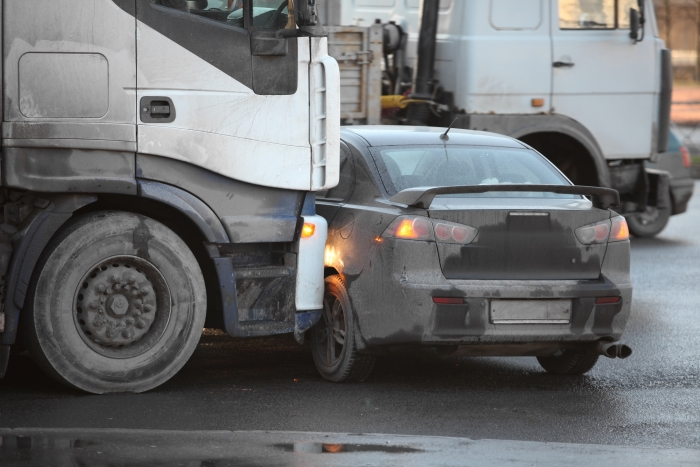
A truck crash can cause damage that goes far past a basic fender repair. A large truck can hit with far more force than a passenger car, so the claim may need deeper review. For example, 18-wheeler accident claims handled by Yuhl Carr may involve serious injury proof, vehicle records, and fault review. That difference may affect medical costs, recovery time, and claim value.
Truck size can also affect how the crash is studied. Skid marks, road position, cargo weight, and impact points may matter. A service provider can review accident facts, injury records, and claim deadlines without direct pressure. Legal experts can help build a more complete picture of the case.
More Parties May Share Fault
A car crash often points to one or two drivers. A truck accident may involve the driver, the truck company, a cargo crew, or a repair vendor. Each party may have a role in what went wrong. This can make the claim harder to sort out.
The truck company may also have its own insurance team. That team may act fast after the crash. Early record requests can help preserve key facts. Clear proof may help improve the strength of the claim.
Key Records That May Matter
Truck accident cases can depend on documents that car claims may not need. These records help show what happened before the crash. They can also reveal patterns that are easy to miss. Useful records may include:
- Driver logs and route details
- Vehicle repair records
- Cargo load documents
- Company safety records
Injuries Can Be More Severe
Personal injury cases can involve serious harm, such as traumatic brain injury, spinal cord injury, broken bones, and disability. Those injuries may need long medical plans and expert review. A crash can create this type of harm because of the weight and force involved. This can make damages harder to calculate.
Medical proof should connect the crash to the injury. Records, scans, doctor notes, and work limits may all matter. 18-wheeler accident claims handled by Yuhl Carr can serve as an example of cases where strong proof may be vital.
Insurance Issues Can Add Pressure
Truck companies may carry larger insurance policies. Larger policies can bring more defense review. Insurers may question fault, injury cause, or the amount claimed.
This is why claim detail matters from the start. A missed record or weak timeline can create problems later. Legal support may aid in better evidence review and deadline control. It may also help reduce confusion during talks with insurers.
Trial Prep May Start Early
Truck accident claims may need trial-level preparation even if a settlement is possible. Serious injury cases often require proof that is clear, organized, and ready for review. That kind of preparation can shape how evidence is saved and explained. It can also help show the long-term impact of the injury.
Strong preparation may include expert opinions, crash review, and witness details. The claim should explain what happened and how life changed after the crash. This is different from a simple repair claim after a minor car crash. Serious truck cases need a fuller story supported by facts.
Truck accident claims are complex because the vehicle size, parties, records, injuries, insurance issues, and legal proof can all overlap. A car crash claim may focus on two drivers and basic damage, while a truck case may require a deeper review. When the claim is built with care, the facts have a better chance to speak clearly.
read more : The Hidden Cost of Operational Blind Spots in Growing Distribution Businesses