Why Do Older Homes Lose Power More Often?
Older homes often have charm and solid construction, but many struggle with modern electrical demands. Decades ago, electrical systems weren’t designed for today’s energy-heavy lifestyles—air conditioners, large TVs, gaming systems, EV chargers, and multiple kitchen appliances place far more stress on aging wiring and panels. As these systems age, they become prone to overheating, breaker trips, and unexpected outages. Many homeowners only notice these weaknesses after repeated issues during storms or heavy electricity use. This article explains why older homes lose power more often and how backup power solutions can help reduce disruptions.
Outdated Panels and Wiring
Old panels can’t handle modern loads
Many older homes were built with electrical panels designed for much smaller energy demands. Years ago, households did not need to support multiple computers, smart appliances, large entertainment systems, and constant device charging all at once. Upgrading the panel is one solution, but it can be expensive and disruptive. As families add more electronics over time, the electrical panel can become overloaded more easily. This often leads to frequent breaker trips or unstable power delivery throughout the home. Even when the system still technically works, it may struggle to safely support modern daily life.
Aging wires overheat and fail
Old wiring doesn’t just fail suddenly—it shows warning signs long before a complete breakdown. Electrical wiring also wears down over time, especially in homes that are several decades old. Insulation around wires can become brittle, cracked, or damaged after years of heat exposure and environmental changes. Older wiring systems may overheat when powering modern appliances that draw more electricity than expected. In some cases, homeowners notice flickering lights, warm outlets, or unusual breaker behavior before larger problems occur. Addressing aging wiring early can help reduce both outage risks and long-term safety concerns.
Smaller Electrical Capacity
Old homes have limited service capacity
Many older homes were originally built with lower electrical service capacity than modern homes require today. Smaller electrical systems may struggle when several high-power appliances run simultaneously. Even simple daily activities like cooking dinner while running laundry and air conditioning can place significant strain on the system. Some homes still operate with service capacities that were considered normal decades ago but now feel extremely limited. As energy needs continue increasing, these older systems often fall behind modern household demands.
Running an AC or EV charger trips breakers
Large modern appliances create some of the biggest challenges for older electrical systems. Air conditioners, space heaters, and electric vehicle chargers all consume large amounts of electricity very quickly. When older panels cannot handle these sudden loads, breakers trip to protect the system from overheating. Homeowners may find themselves constantly resetting breakers during hot weather or heavy appliance use. This ongoing strain becomes even more noticeable during storms or periods of unstable grid power.
Tree Damage to Overhead Lines
Many older neighborhoods still rely heavily on overhead utility lines instead of underground electrical infrastructure. Large trees growing around these homes can become major outage risks during storms, high winds, or heavy snow. Falling branches frequently damage power lines or transformers, causing blackouts that affect entire neighborhoods. Older communities often have mature trees that create beautiful streets, but also increase electrical vulnerability during severe weather. Even when the home’s internal wiring remains functional, outside infrastructure problems can still leave families without power unexpectedly.
How a Home Backup Generator Helps
Powers your home when old circuits fail
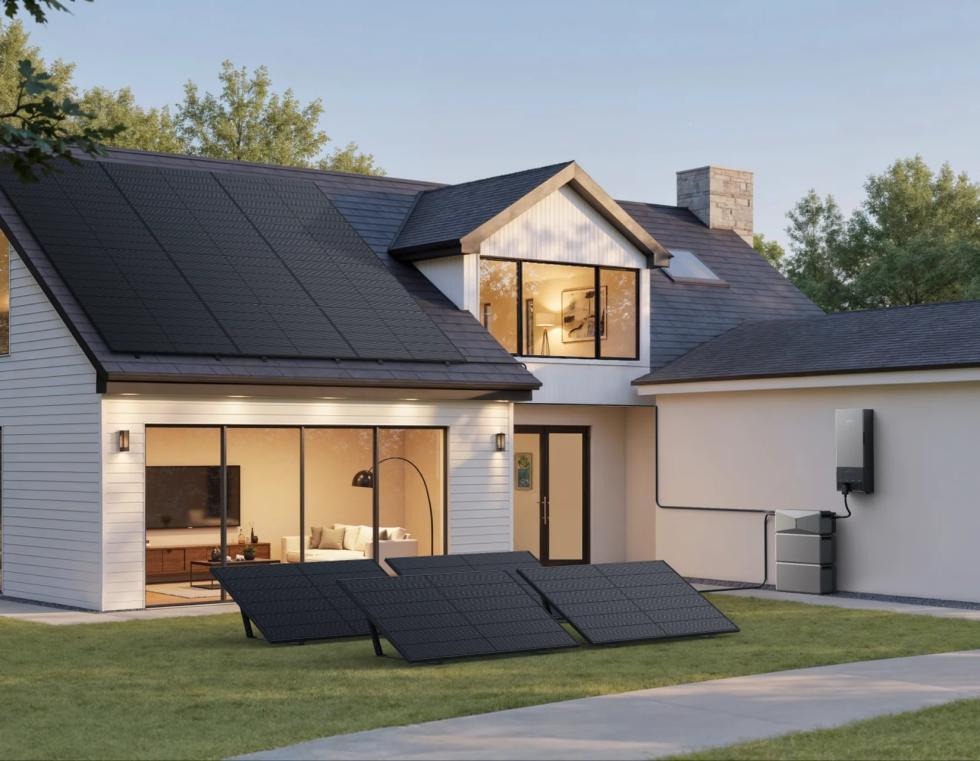
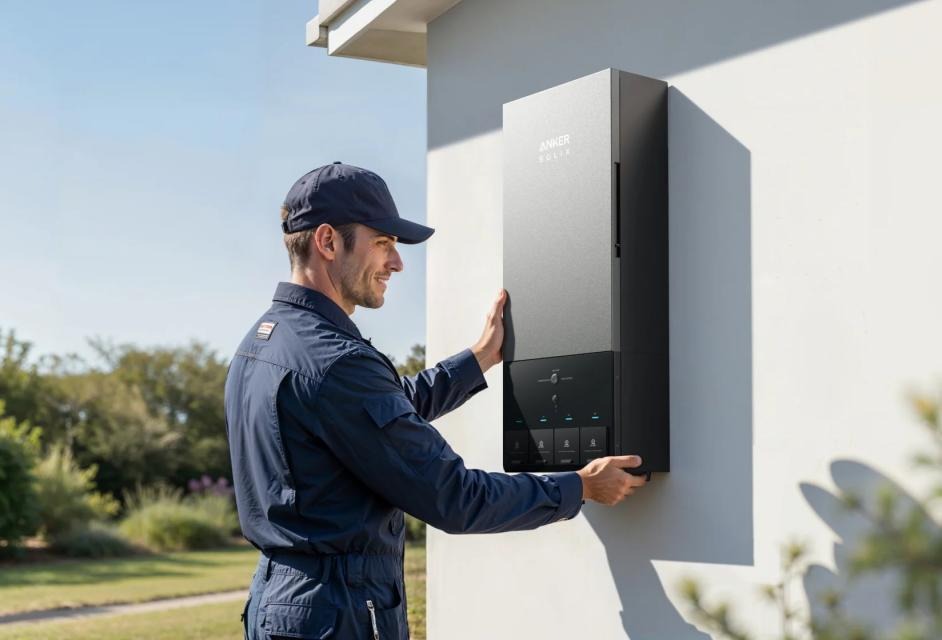
Backup power systems help older homes stay functional when electrical problems interrupt normal service. Aging wiring, outdated panels, and increased energy demands often leave these homes more vulnerable to outages and flickering power. The Anker SOLIX home backup generator offers a practical solution by combining solar charging, fuel support, and lower long-term operating costs. It provides steady emergency power to keep refrigerators, lights, internet, and essential appliances running even when older circuits struggle during an outage. With a reliable backup in place, families can avoid the stress of sudden disruptions and stay comfortable until power is restored.
Bypasses the weak panel during outages
Some backup systems can also reduce dependence on unstable sections of an older electrical setup during emergencies. Instead of relying entirely on aging circuits during an outage, backup power can deliver electricity more directly to essential appliances and devices. This helps maintain stable operation for critical household equipment when the main system becomes unreliable. Homeowners often feel much more prepared knowing important systems like refrigeration and communication devices can still function during blackouts. For older homes especially, backup power provides an important layer of reliability and peace of mind.
Conclusion
Older homes often have electrical issues because their wiring and panels weren’t built for today’s high energy demands. Aging indoor systems and vulnerable outdoor lines raise the risk of outages. Modern appliances add even more strain. While upgrades may help, backup power provides reliable protection during interruptions—keeping families safe and comfortable. As homes age and energy needs grow, backup power becomes a smart, practical investment.