
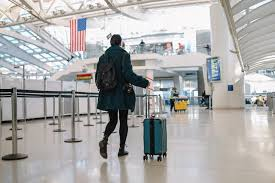
How to Avoid Common Airport Delays While Traveling
Air travel remains one of the quickest ways to reach your destination, but airport delays can turn what should be a smooth journey into a frustrating ordeal. The good news? You have more control over your airport experience than you might think. Understanding what causes these delays and taking a few strategic steps can dramatically reduce your chances of getting stuck in the terminal. With the right preparation and a bit of insider knowledge about how airports actually work, you can breeze through while others are still waiting in line. Let’s explore the practical strategies that’ll help you reclaim your time and reduce travel stress.
Plan Your Arrival Time Strategically
Getting to the airport at the right time is your first major defense against delays and the panic of potentially missing your flight. Sure, airlines recommend arriving two hours early for domestic flights and three hours for international ones, but those numbers should be your bare minimum, not your target. During busy travel periods like summer vacations, winter holidays, or long weekends, you’ll want to tack on an extra 30 to 60 minutes to those recommendations. The specific airport matters too, massive international hubs typically have longer security lines and more overall congestion than smaller regional airports. Take a few minutes to check your departure airport’s website or browse travel forums for real-world insights about typical wait times during your travel window. Here’s something that might surprise you: morning flights generally face fewer delays than afternoon or evening departures because they haven’t had time to accumulate the ripple effects from earlier cancellations or weather disruptions.
Navigate Security Checkpoints More Efficiently
Security screening is where many travelers lose the most time, but with some smart preparation, you can cut your wait significantly. Enrolling in trusted traveler programs like TSA PreCheck or Global Entry gives you access to expedited lanes where you can keep your shoes, belt, and light jacket on while leaving laptops and liquids tucked in your bag. These programs require a background check and fingerprinting upfront, but they’ll save you countless minutes across multiple trips during their five-year validity. When you’re packing your carry-on, think strategically, place electronics where you can grab them easily and make sure all liquids follow the 3-1-1 rule (containers no larger than 3.
Choose Your Flight Timing Wisely
The specific departure time you select has a bigger impact on delays than most people realize. Early morning flights, especially the first departure of the day on a particular route, face fewer delays because the aircraft has usually spent the night at the airport and hasn’t picked up schedule disruptions from previous flights. Whatever you do, avoid booking flights with extremely tight connections, because one delay on your first leg can domino into missed flights and a completely derailed itinerary. When you’re booking connecting flights, give yourself at least 90 minutes for domestic connections and two to three hours for international ones to create adequate breathing room.
Prepare Your Travel Documents and Luggage Properly
Making sure all your documentation and baggage meet requirements prevents those last-minute scrambles that can cause you to miss your flight entirely. For international trips, verify that your passport stays valid for at least six months beyond your travel dates, many countries enforce this rule strictly, even if you’re only visiting for a week. Complete any required visa applications or travel authorizations well ahead of your departure date rather than leaving it until the final days. Check your airline’s specific baggage policies regarding size, weight, and prohibited items so you don’t face surprises at check, in or security. Traveling with just carry-on luggage when possible eliminates the risk of checked baggage delays and lets you move through the airport more quickly. When departing from island destinations, professionals who need to catch early flights often arrange a caribbean private departure transfer to ensure they arrive on time regardless of traffic jams or taxi availability. Download your airline’s mobile app to get real-time updates about gate changes, delays, or cancellations sent directly to your phone. Keep electronic copies of important documents like your passport, boarding passes, and hotel reservations in secure cloud storage you can access from any device.
Monitor Flight Status and Have Contingency Plans
Staying on top of your flight status lets you respond quickly to changes and explore alternatives before situations spiral out of control. Start checking your flight status 24 hours before departure by visiting your airline’s website or mobile app regularly for any schedule adjustments or delays. Sign up for flight status notifications through text or email so you get immediate alerts about any changes to your itinerary. Take a few minutes to research alternative flights on your airline and competitors that could work as backup options if your original flight faces serious delays or gets canceled.
Conclusion
Navigating airports successfully and dodging common delays comes down to strategic planning, smart decisions, and staying one step ahead. When you implement these strategies, you’re not just hoping for the best, you’re actively stacking the odds in your favor for smooth, efficient travel. The time you invest in preparation pays off through less stress, fewer disruptions, and greater confidence in your travel plans. While you can’t control every aspect of air travel, the choices you make about timing, preparation, and backup plans create a solid foundation for successful journeys. These steps transform you from someone who just reacts to delays into a savvy traveler who takes charge of the airport experience.