Exploring The Performance And Technology Behind The Yamaha MT09
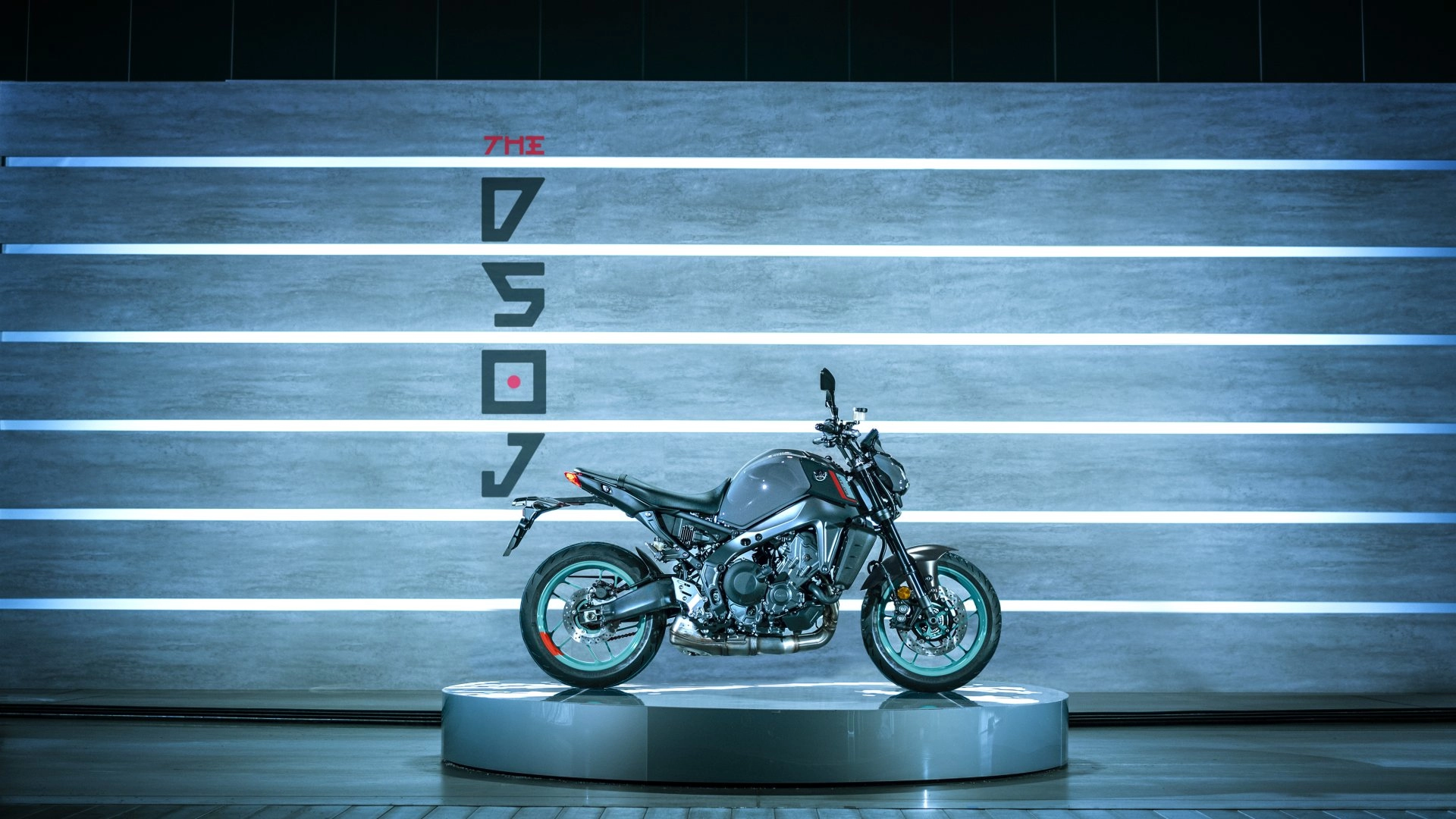
The goal of motorcycles in the ultra-naked category is to combine powerful road performance with an exciting, minimalist riding experience. They combine quick engines, nimble handling, rider-focused ergonomics, and contemporary electrical technology instead of only emphasising speed. With its unique blend of performance and sophisticated rider assistance, the Yamaha MT09 is a prime illustration of this strategy.
The way the motorcycle’s many components interact is what makes it appealing. Braking, suspension, electronics, ergonomics, engine character, and chassis design all work together to provide an experience that may seem exhilarating without making daily riding too taxing.
A Three-Cylinder Engine With A Unique Personality
Yamaha’s 890cc liquid-cooled CP3 three-cylinder engine powers the MT09. The motorcycle’s distinctive character is partly attributed to its three-cylinder setup, which strikes a balance between powerful low and midrange response and the capacity to maintain power output as engine speed rises.
Usable torque might be just as significant as peak performance numbers for road cyclists. Acceleration is possible while turning bends, entering quicker routes, or overtaking thanks to the vehicle’s strong reaction throughout the centre of the rev range. To appreciate the engine’s performance, riders don’t always need to run it at very high rpm.
Another crucial factor in controlling that power is throttle responsiveness. The rider has greater control over how performance is supplied because of modern electronic throttle control, which integrates engine behaviour with the motorcycle’s larger electrical systems.
Agile Handling Is Supported By Lightweight Construction
An thrilling motorbike is defined by more than just power. A bike’s response may be significantly impacted by weight distribution, chassis stiffness, steering geometry, and rider posture. Yamaha has put a lot of effort into making the MT09 lightweight and small, which facilitates rapid direction changes.
This sensitive nature is enhanced by a lightweight aluminium frame. During direction changes, the motorcycle’s weight may seem more controllable if mass is concentrated around it. On curving roads, where bikers regularly change corners, this is especially apparent.
The chassis is complemented by the upright riding posture. The sitting configuration facilitates both control and sight, while the wide handlebars provide leverage for steering inputs. The Yamaha MT09 is appropriate for more than just sporadic leisure rides thanks to these characteristics.
Behind-The-Scenes Electronics
In order to assist riders in controlling acceleration, braking, and shifting road conditions, modern performance bikes depend more and more on electronics. Manufacturers may employ electrical technologies to make current performance more accessible rather than just adding additional power.
An inertial measuring unit supports the MT09’s sophisticated electronics package. This technology can track the movement of motorcycles and provide data to different rider support systems.
These systems may include traction control, lift control, slide control, and brake-related assistance, depending on model specs and settings. Electronic intervention may be modified by riders based on their situations and preferences.
Because different journeys call for different setups, this flexibility is crucial. The needs of an open rural road are different from those of a leisurely urban journey. The motorcycle’s behaviour may be changed without needing mechanical modifications thanks to its selectable riding modes.
Braking And Suspension For More Control
Maintaining tyre contact while absorbing road irregularities is a difficult task for suspension. With the MT09’s changeable suspension parts, riders may fine-tune certain settings to suit their riding tastes.
When stopping, accelerating, or turning, a well-balanced suspension system may boost confidence. By assisting with bumps and uneven surfaces, it also enhances comfort.
On a motorbike with significant acceleration, braking performance is equally crucial. The stopping power needed for aggressive road riding is provided by powerful front brakes, while electronic braking aid provides an additional degree of protection. The objective is predictable control that riders can comfortably modify, not only forceful braking.
Constructed To Provide A Whole Riding Experience
There are several features of the Yamaha MT09 that make it intriguing. Its three-cylinder engine, lightweight chassis, upright ergonomics, adjustable suspension, brake hardware, and electronic rider aids all work together to create its distinctive look.
These components work together to produce a motorbike that is both practical enough for daily riding and dynamic enough to enjoy on a fun weekend journey. Instead of overpowering the mechanical feel, its technology is mainly there to provide the rider more control over performance.
The MT09 is an example of how performance engineering has advanced for riders investigating contemporary hyper-naked bikes. In order to create an entertaining motorbike, responsiveness, electronic flexibility, chassis balance, and rider confidence are now just as crucial as speed and power.