
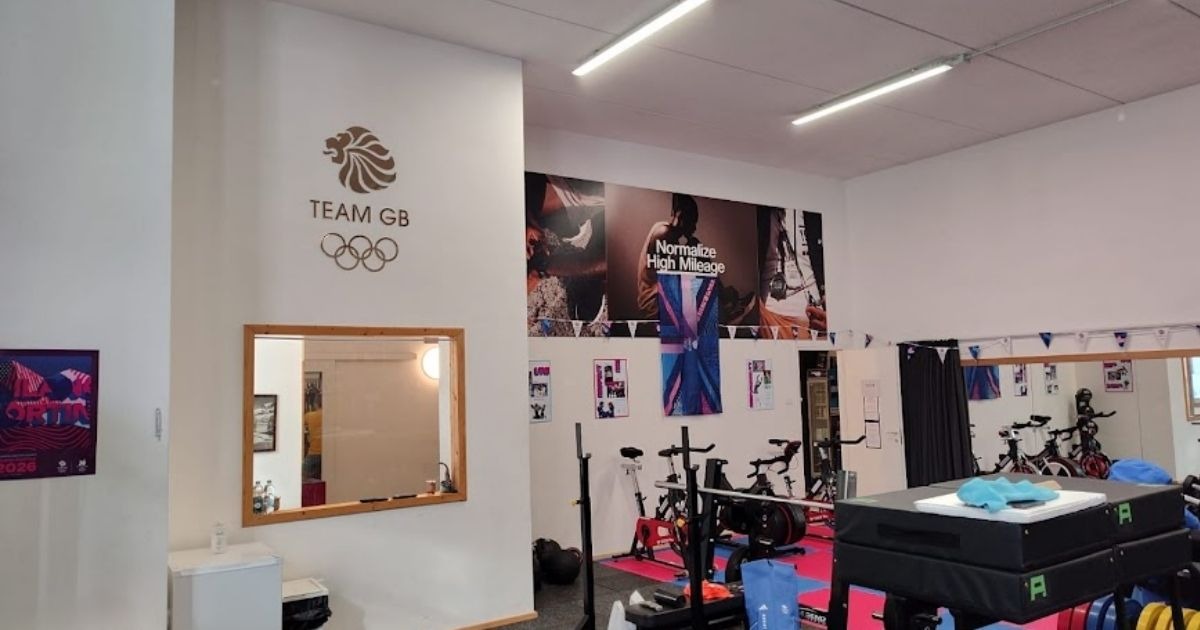
Signage For Small Spaces: What Works Best
Small spaces come with big signage challenges. Be it’s a compact boutique office, a coworking studio, or a retail unit tucked between larger neighbours, the instinct is often to either over-sign the space or ignore it entirely. Both approaches create problems.
Too many signs make a tight environment feel cluttered and chaotic. Too few leave visitors and staff uncertain, disrupting the flow of an otherwise well-run space. Choosing the right type of signage makes all the difference, and every sign must earn its place.
What Are The Best Types Of Signage For Small Spaces
Here are the most effective signage types for compact environments, each chosen for its ability to guide, inform, and enhance without overwhelming the space:
1. Window Signs
Glass surfaces are among the most underused assets in any small space. Window signs transform them into active communication tools without consuming interior floor or wall space. Applied vinyl lettering, frosted graphics, and perforated films can carry directional cues, business hours, or brand messaging, visible to people inside and those approaching from outside.
This approach aligns with event branding principles, where every surface becomes part of a cohesive visual system. In retail, hospitality, and compact offices, window signs do meaningful work without adding bulk to a tight environment.
2. Wall-Mounted Plaques And Identification Signs
When floor space is limited, walls carry the load. Wall-mounted identification signs mark rooms, departments, and entrances with clarity and minimal physical footprint. Because they sit flush against the surface, they add no depth while still performing a clear navigational role. Material choice matters enormously here.
Brushed aluminium signs are particularly well suited to compact professional spaces, with a refined finish that communicates authority without visual noise. In small offices and reception areas where every detail is noticed, brushed aluminium signs ensure the space feels considered rather than improvised.
3. Overhead And Ceiling-Hung Signs
Vertical space is often the most overlooked resource in a small environment. Ceiling-hung signs bring wayfinding off the walls entirely, freeing surfaces for other purposes while keeping directional information at a consistent, visible height. In compact retail spaces, narrow corridors, or open-plan offices, overhead signs allow people to orient themselves without scanning every wall.
Much like event branding, this type works especially well when a space has multiple functions or entry points, guiding movement intuitively and reducing the need for staff intervention even during the busiest periods of the working day.
4. Freestanding And A-Frame Signs
Freestanding signs offer flexibility that fixed signage cannot match. In small spaces that change configuration regularly, A-frames and freestanding displays can be repositioned as needed, directing foot traffic or marking temporary areas without permanent installation.
This makes them ideal for businesses that host events, rotate layouts, or use their space for multiple purposes throughout the week. The key in a small environment is restraint. One well-positioned freestanding sign at a decision point achieves far more than several signs competing for attention across the same compact area.
5. Digital And Backlit Signs
In small spaces where natural light may be inconsistent, digital and backlit signs offer both visibility and versatility. A single backlit panel can display room names, directional information, or rotating brand content, doing the work of several static signs in a fraction of the footprint.
Digital displays are especially valuable for businesses that update messaging regularly without reprinting physical signs. Beyond practicality, illuminated signage adds depth and visual interest to a compact environment, drawing the eye naturally and creating a focal point that anchors the space effectively.
Choose The Right Sign For Your Space
In small spaces, signage is not about volume but about precision. The right type of sign, placed thoughtfully, does more than a dozen poorly chosen ones scattered around the room. Window signs maximise unused surfaces, wall-mounted plaques keep floors clear, overhead signs utilise vertical height, freestanding options offer adaptability, and digital displays deliver flexibility.
Each type serves a distinct purpose, and when combined intelligently, they create a system greater than the sum of its parts. The result is a compact space that feels organised, professional, and easy to navigate for everyone who enters.
read more :Easy Comfort on the Go: SS 2026 Short-Trip Essential Sandals